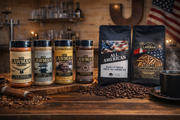

How to Keep Coffee Fresh: The Best Way to Store Ground Coffee and Whole Beans
There is nothing quite like opening a fresh bag of coffee and smelling those rich, unmistakable aromas. Unfortunately, coffee does not stay at its peak forever. Once roasted coffee is exposed to air, moisture, heat, and light, it gradually begins losing the flavor and aroma that make a freshly brewed cup so enjoyable.
The good news is that proper coffee storage does not have to be complicated. A suitable container and the right location in your kitchen can help protect your coffee and produce a fresher, better-tasting cup every morning.
What Causes Coffee to Lose Its Freshness?
Roasted coffee contains natural oils and aromatic compounds responsible for its flavor and aroma. These compounds begin changing as coffee is exposed to its four biggest enemies:
- Air
- Moisture
- Heat
- Light
Oxygen causes coffee to oxidize, slowly weakening its aroma and flavor. Moisture can also affect the beans or grounds, while heat and direct sunlight speed up the deterioration process.
Coffee does not suddenly become unusable after a particular date. Instead, it gradually becomes flatter, duller, and less aromatic. You may notice that the brewed coffee lacks its usual richness or requires more sweetener and creamer to taste satisfying.
What Is the Best Container for Storing Coffee?
The best coffee storage container is airtight, opaque, and kept away from heat.
An airtight canister helps limit the coffee’s exposure to oxygen. An opaque container also protects it from sunlight and other sources of light. Stainless steel, ceramic, and dark-colored coffee canisters are all excellent choices.
If you keep your coffee in its original bag, squeeze out as much excess air as possible before resealing it. A quality resealable coffee bag can work well, especially when the coffee will be used within a reasonable amount of time.
Avoid transferring coffee into a clear decorative jar on the countertop. It might look attractive, but light and changing kitchen temperatures can cause the coffee to lose freshness faster.

Where Should Coffee Be Stored?
Store coffee in a cool, dry, and dark location, such as a kitchen cabinet or pantry.
Choose a cabinet away from:
- The stove or oven
- A sunny window
- The dishwasher
- The kitchen sink
- Heating vents
The cabinet above the stove is convenient, but the heat and moisture produced during cooking make it one of the worst locations for coffee.
A pantry or interior cabinet with a stable room temperature is usually the best choice.
Should Coffee Be Stored in the Refrigerator?
For everyday use, the refrigerator is generally not the best place to store coffee.
Coffee can absorb moisture and surrounding odors. Refrigerators also experience temperature and humidity changes whenever the door is opened. Taking a container in and out of the refrigerator may create condensation that can affect the coffee.
An airtight container in a cool pantry is a better option for coffee you plan to use regularly.
Can You Freeze Coffee?
Coffee can be frozen, but it needs to be packaged correctly.
Freezing can be helpful when purchasing more coffee than you will use within the next several weeks. Divide the coffee into smaller airtight portions and freeze each portion separately. Remove only the amount you are ready to use and allow the sealed package to reach room temperature before opening it.
Do not repeatedly move the same bag between the freezer and countertop. Repeated temperature changes can introduce condensation and affect the coffee’s flavor.
For most households, purchasing an amount that can be enjoyed while fresh is easier than relying on long-term freezer storage.
Does Whole-Bean Coffee Stay Fresh Longer?
Whole coffee beans generally retain their freshness longer than pre-ground coffee because less of the coffee’s surface is exposed to oxygen.
Grinding coffee dramatically increases its surface area, which means it begins losing aroma and flavor more quickly. For maximum freshness, grind only the amount you need immediately before brewing.
However, ground coffee can still make an excellent cup when it is freshly roasted, properly packaged, and stored in an airtight container. The best choice depends on your equipment, schedule, and how quickly you use a bag.
How Much Coffee Should You Purchase at One Time?
Buy an amount of coffee that matches how quickly you drink it.
A large bulk purchase may appear economical, but it offers little value if the coffee sits open for several months and loses its flavor. Smaller, more frequent purchases can provide a better experience because the coffee spends less time exposed to air after the package is opened.
Consider how many cups your household drinks each day and purchase accordingly.
How Can You Tell When Coffee Is No Longer Fresh?
Your senses are often the best guide. Coffee that has lost its freshness may have:
- Very little aroma when the package is opened
- A flat or dull brewed flavor
- Less complexity and richness
- A stale or cardboard-like taste
- A weaker aroma during brewing
Improper brewing, water quality, and an unclean coffee maker can also affect flavor. Before blaming the coffee, make sure your brewing equipment is clean and that you are using fresh, good-quality water.

Freshness Begins Before Coffee Reaches Your Kitchen
Proper home storage is important, but coffee freshness begins with how it is roasted, packaged, and fulfilled.
At The Lawman Coffee Co. in Maryville, Tennessee, our coffee is produced in small batches and roasted close to the time your order is prepared. Our 100% Arabica coffee is smooth, low in acidity, and third-party tested to be free of mold and yeast.
Whether you prefer our All American Dark Roast, Second Amendment Medium Roast, Bourbon Pecan, Maple Bourbon, or another Lawman favorite, proper storage will help protect the flavor that was carefully developed during roasting.
Once your coffee arrives:
- Keep the package tightly sealed.
- Transfer it to an airtight, opaque container if desired.
- Store it in a cool, dry pantry or cabinet.
- Avoid heat, sunlight, moisture, and strong odors.
- Purchase an amount you can enjoy while it is fresh.
Good coffee deserves better than an open bag beside the stove. A few simple storage habits can make a noticeable difference in every cup.
Explore our small-batch coffee selections at TheLawmanStore.com.
Frequently Asked Questions About Coffee Storage
What is the best way to keep coffee fresh?
Keep coffee tightly sealed in an airtight, opaque container and store it in a cool, dry, dark cabinet away from heat and moisture.
Is it better to store coffee in glass or metal?
An airtight metal or ceramic container offers excellent protection from light. Glass can work if it is airtight and stored inside a dark cabinet.
Should ground coffee be refrigerated?
No. Ground coffee used regularly is generally better stored in an airtight container in a cool, dry pantry.
How long does coffee stay fresh after opening?
Freshness gradually declines after the package is opened. For the best flavor and aroma, purchase an amount you can use within several weeks and reseal it carefully after every use.
Should I store coffee beans in the grinder hopper?
Only place in the hopper what you expect to use soon. Most grinder hoppers are not completely airtight and may allow light and air to reach the beans.